June 15, 2026
The role of a professional home remodeler involves far more than simple aesthetic updates; it is a vital service that preserves the structural integrity and historical value of the American housing landscape. As properties age, they require strategic interventions to remain safe, efficient, and aligned with modern living standards. This article examines the various methodologies and techniques utilized by experts to revitalize aging structures, ensuring they serve families for decades to come.
Assessing the Property's Current Condition
A comprehensive structural inspection serves as the essential first step in any revitalization project, ensuring the home's framework remains sound. Even minor structural shifts can lead to significant failures if ignored, which is why a thorough assessment by qualified professionals is non-negotiable. A skilled home remodeler examines critical elements such as load-bearing walls, support beams, and the foundation to pinpoint signs of deterioration.
Addressing these issues early prevents compounding damage and high emergency repair costs. These inspections provide the data necessary for planning systemic enhancements that bolster long-term durability.
The demand for these services is driven by the sheer volume of older inventory in the United States. According to Earth Web, roughly 80% of residential structures in the U.S. reached or surpassed the 20-year mark as of 2023, making remodeling and home improvements a necessity. This statistic highlights the importance of regular structural oversight, as neglect can lead to systemic failures that are both dangerous and expensive to resolve. With a vast majority of homes entering this critical age bracket, timely renovations are the primary defense against the degradation of the national housing stock.
Evaluating Core Systems: Plumbing and Electrical
Core systems represent the "organs" of the house, requiring meticulous evaluation during any major project. Aging properties frequently suffer from outdated pipework and electrical wiring that no longer meet modern safety codes. Professionals must scrutinize these systems to identify leaks, blockages, or faulty circuits that could compromise the property. Upgrading to modern standards results in improved safety, lower utility bills, and a reduced risk of catastrophic failures. Enhancements to these core systems are perhaps the most effective way to prolong the functional life of a property.
Regularly upgrading these utilities leads to a more efficient home, enhancing both daily usability and market value. Replacing galvanized steel pipes with PEX or copper prevents future leaks and restores water pressure. Upgrading outdated electrical panels also ensures the home can handle the increased loads required by modern appliances and HVAC systems. A home remodeler should guide property owners through these critical decisions, emphasizing the long-term protection of the asset over purely cosmetic finishes.
Identifying Cosmetic and Functional Obsolescence
Obsolescence, whether aesthetic or functional, significantly detracts from a property's value. Cosmetic issues often involve outdated styles that make a home feel neglected, while functional obsolescence refers to floor plans that no longer suit contemporary lifestyles. Addressing these areas requires a strategic rethinking of design elements rather than superficial changes. When executed correctly, these updates modernize the flow of the home while capturing a timeless appeal that resists future trends.
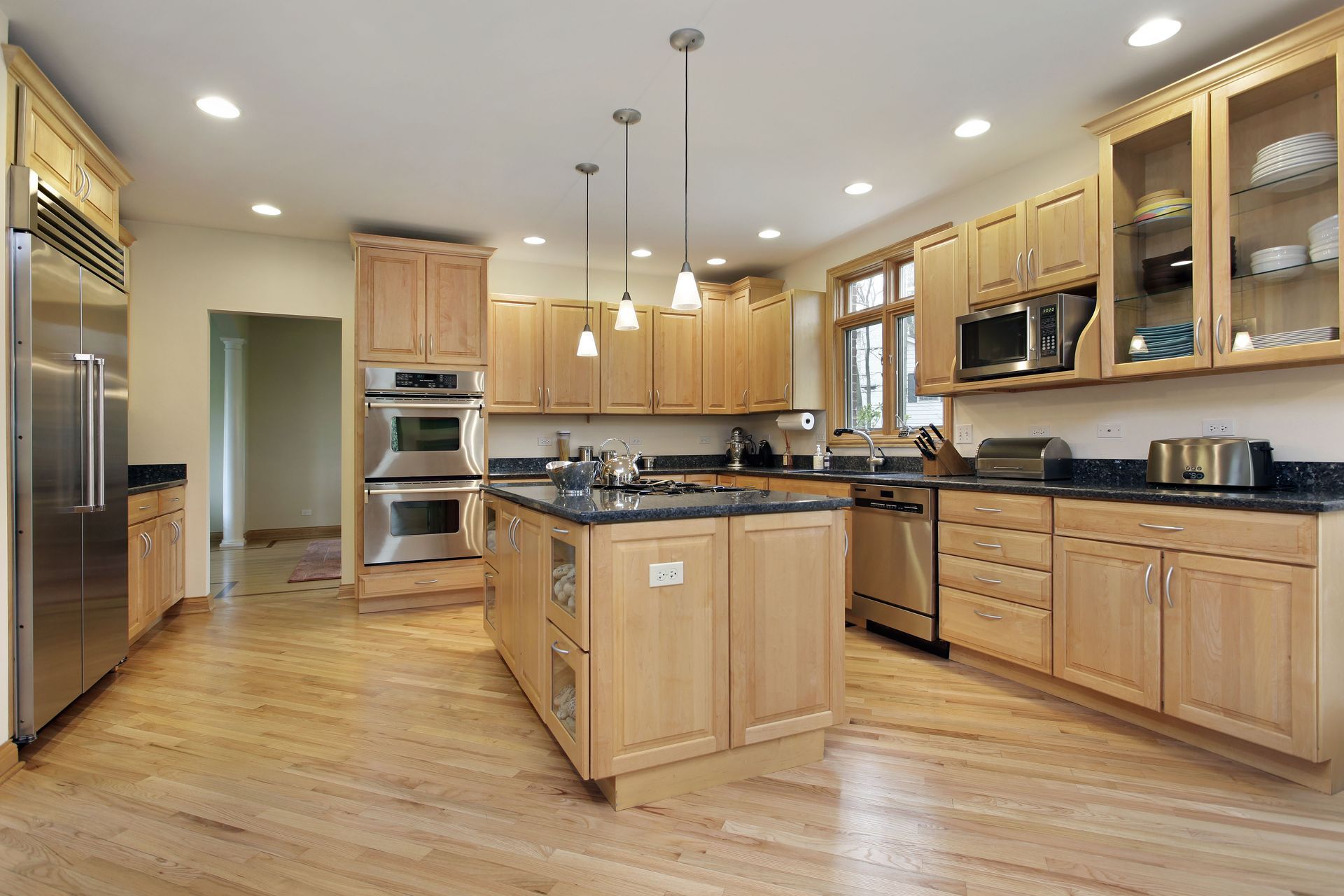
In assessing obsolescence, experts consider both the current state and the future potential of the square footage. Instead of following fleeting fads, the focus remains on enduring concepts like open floor plans, multi-functional room layouts, and the maximization of natural light. Updating kitchens and bathrooms with high-quality tile and LVP flooring can vastly improve a home's usability. These systematic upgrades are pivotal in transforming an aging, cramped property into a refreshed and desirable living space.
Assessing HVAC Systems and Insulation Effectiveness
The functionality of climate control systems and the effectiveness of insulation are paramount when aiming to optimize energy efficiency. Older heating and cooling units are often inefficient, resulting in inconsistent temperature control and high energy costs. Experts carefully evaluate these units, recommending upgrades to modern, high-efficiency systems.
Effective insulation regulates interior temperatures by reducing energy loss through the building envelope. By addressing these thermal needs, homeowners can drastically improve comfort levels.
Analyzing Safety and Code Compliance Issues
Ensuring safety and regulatory compliance is a vital aspect of any project, protecting both the resident and the integrity of the structure. As building codes evolve, older homes often become non-compliant, necessitating adjustments during the remodeling process. Potential hazards, such as lead-based paint or outdated electrical grounding, are identified and rectified as top priorities. Remaining abreast of state and local codes ensures that all modifications are legal and safe, preventing future liability for the homeowner.
Developing a Strategic Renovation Plan
Developing a successful plan hinges on the ability to accurately prioritize repairs that offer the most value and safety. Faced with an expansive list of potential projects, a home remodeler performs meticulous assessments to determine the sequence of work. Critical repairs—such as a leaking roof or a failing foundation—must take precedence over aesthetic choices. Once the shell of the home is secure, attention can shift to room additions or kitchen remodeling to enhance the property's overall livability and equity.
Incorporating Modern Design Trends
Modern design trends continuously reshape the aesthetics and functionality of living spaces by merging style with practicality. Incorporating these elements into a renovation plan ensures a contemporary ambiance that adapts to changing needs. Open-concept layouts and minimalistic aesthetics are increasingly popular as they facilitate a seamless flow between rooms. Experts strive to adopt these trends with a sense of longevity, ensuring that personal expression is balanced with enduring appeal.
Balancing Cost and Quality
A crucial aspect of planning is finding the equilibrium between budget and quality, ensuring long-lasting results without overspending. Professionals must take a comprehensive approach, evaluating each material's potential to increase value or reduce maintenance costs.
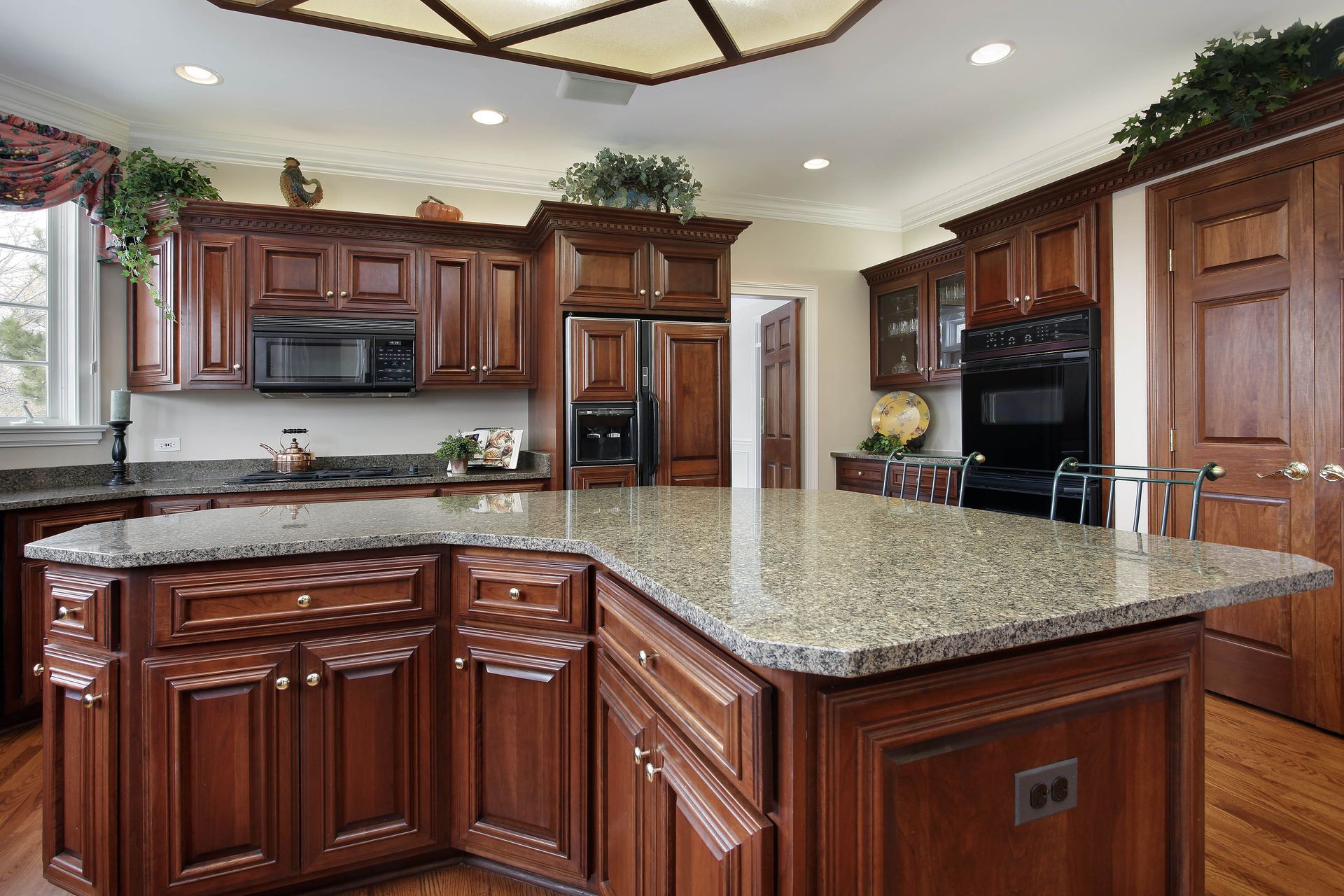
Budget constraints often require prioritizing high-quality materials, such as durable countertops and custom cabinets, in high-traffic areas where they offer a great return on investment. Value engineering allows for cost reductions without sacrificing the structural performance or the final look of the project.
Setting a Realistic Budget and Timeline
Creating an actionable plan requires setting a realistic budget and a transparent timeline. Professionals analyze the scope of work and potential hidden challenges to devise a financial map for each phase. Accounting for unforeseen costs ensures that a contingency reserve is available, preventing project stalls. Accurate scheduling necessitates balancing labor availability with project demands, streamlining the workflow to ensure quality isn't sacrificed for speed. Constant collaboration between the homeowner and the home remodeler facilitates informed decision-making throughout the timeline.
Considering Sustainable and Eco-Friendly Solutions
Sustainability is an imperative in contemporary renovation. Adopting eco-friendly strategies reduces a property's carbon footprint and promotes healthier living conditions through better indoor air quality. This involves utilizing low-VOC materials, water-saving kitchen and bathroom fixtures, and improved insulation techniques. Incorporating these innovations into home designs provides enduring benefits for both the residents and the environment, often resulting in lower long-term operational costs.
Utilizing Innovative Techniques for Structural Improvements
To ensure the longevity of aging properties, reinforcing foundations and load-bearing walls is critical. Over time, homes prone to settling may develop cracks that decrease stability. Techniques such as underpinning or the application of carbon fiber reinforcement can bolster a home's durability. These methods provide long-term assurance against structural failure, allowing the home to remain standing for another century.
Revitalizing an older property is a complex but rewarding endeavor that requires the expertise of a dedicated professional. From reinforcing foundations to installing high-end finishes, every step is a contribution to the home's future. By addressing the needs of aging structures today, we preserve the history and comfort of our communities for tomorrow.
If you are ready to breathe new life into your property and want to work with a dedicated home remodeler, look no further than the experts at D & D Home Improvements. From custom homes to bathroom and kitchen remodeling, we provide the craftsmanship and attention to detail your project deserves. Contact us today to begin your transformation.